

Are Island Dark Skies Worth the Trip? Comparing UK Stargazing Spots
Are Island Dark Skies Worth the Trip? Comparing UK Stargazing Spots
Stargazing on a small island is an easy idea to fall for. A short crossing, a pub with a fire, a walk to a headland after dark and a sky thick with stars. The reality is often very good, but it is never automatic. Islands have harbours, ferry terminals and neighbouring towns, and the British weather has firm opinions. So the fair question is whether the extra travel earns you a genuinely better night sky — and what you need to plan round to make it count.
The short answer is: sometimes, and often by a wider margin than you would expect. But only if you pick the right island, the right week and the right field to stand in once you get there.
What a Genuinely Dark Sky Looks Like
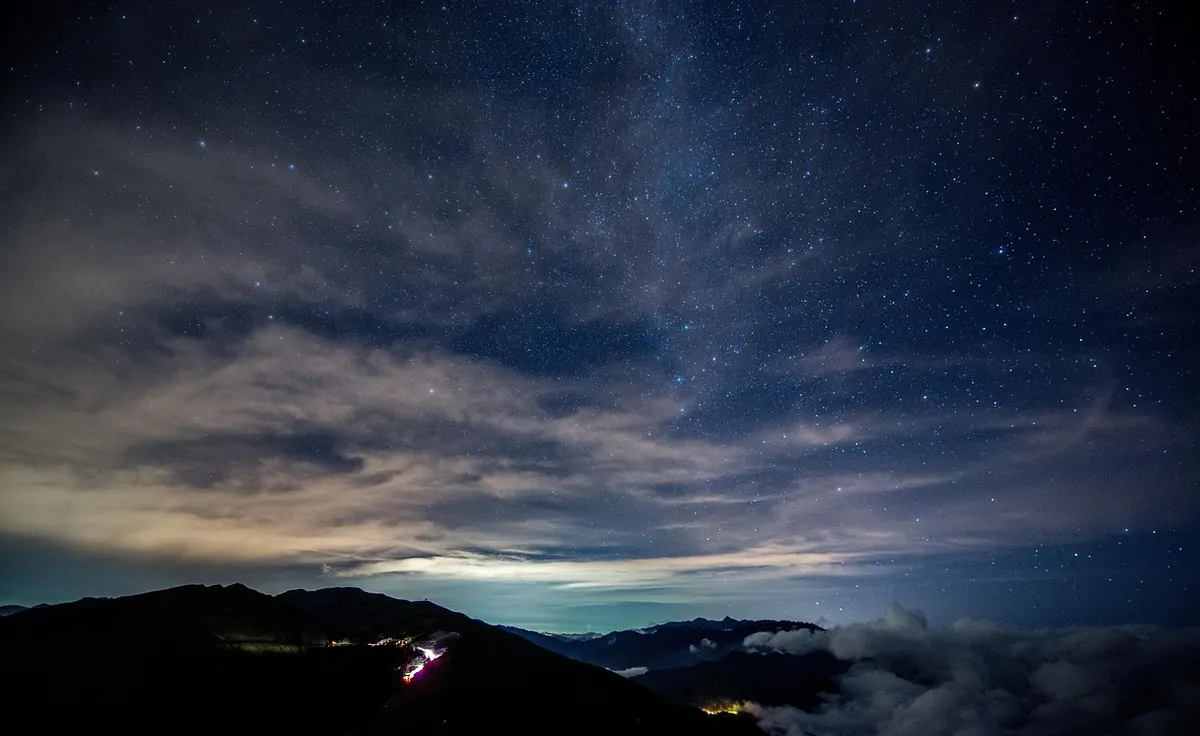
Darkness is measured on the Bortle scale, from 1 at the pristine end to 9 in the middle of a city. Most UK islands with a reputation for dark skies sit somewhere between 2 and 4. That is a real difference. On a good night you can see the Milky Way as a textured band rather than a faint smudge, spot the Andromeda galaxy with your own eyes, and watch the sky glow faintly above the horizon on a moonless night. It is the sort of sky that makes people stop talking.
In practice, the gap between home and a dark island looks roughly like this:
- Bortle 7–9 (towns and cities): a dozen stars, no Milky Way, the Moon and the brightest planets only.
- Bortle 5–6 (suburbs, edges of town): the major constellations, a hint of the Milky Way straight overhead on the best nights.
- Bortle 3–4 (most rural Britain and many islands): the Milky Way is obvious, Andromeda is a naked-eye smudge, and the sky between the stars is properly black.
- Bortle 1–2 (the best island sites): the Milky Way is bright enough to cast a faint shadow, the zodiacal light shows above the horizon, and familiar constellations take a moment to find because of everything around them.
What islands are not is automatically dark. A lit harbour, a ferry terminal, a fish farm, a cruise ship offshore or the glow of the mainland town you left that morning can all sit on your horizon. Before you book, look up a light pollution map and zoom in on the exact spot you intend to stand. A beach ten minutes from a lit pier can be noticeably worse than a moorland track two miles inland.
Two comparisons make the point. The Isle of Wight on a clear night is a big improvement on Southampton, but it is nowhere near Sark. Meanwhile a lay-by on the west side of Harris, with nothing but Atlantic between you and Newfoundland, feels like a different planet.
The Island Contenders
All of these can deliver, but they ask different things of you.
Sark and the Channel Islands
Sark was the first island to be recognised as a Dark Sky Island, and it earns the label: no street lighting, no cars, a population in the hundreds and no airport glow nearby. It is small enough to walk to a dark field in twenty minutes, and the Seigneurie Gardens and the high ground near the centre of the island both give you wide, unbroken sky.
The trade-off is access. Boats from Guernsey run in daylight and depend on the weather, and accommodation is limited, so book early and build in a spare night. Guernsey and Jersey are far brighter — treat them as your transport hub, not your dark site. Alderney is the quiet alternative and has a small observatory, while Herm is beautifully dark but tiny, with almost nowhere to stay.
The Hebrides
Harris, Lewis, the Uists and the northern tip of Skye offer the best mix of accessible darkness and big landscape. Few people, few lights, long horizons over the Atlantic. The catches are midges from June to August — a head net is not dramatic, it is essential — and wind, which can cancel a ferry at short notice. Give yourself a spare day on each side of the trip.
Good specifics: the machair behind Bosta on Great Bernera, the road out to Hushinish on Harris, and the quiet single-track on the west side of North Uist all give you a low, dark northern horizon. Skye is the easy option because it has a bridge, but Portree's glow and the traffic on the Trotternish ridge mean you want to head north to Kilmuir or out to Waternish for the real thing.
Orkney and Shetland
These are the darkest places in the UK on paper, and the most demanding. Orkney's outer isles — Rousay, Sanday, Westray — are genuinely excellent, but Kirkwall and Stromness light up the main island's sky. Shetland is darker still, with sites like Eshaness and Muckle Roe, and at this latitude you add a real chance of the aurora.
The catch is the calendar. At 59–60° north there is no astronomical darkness at all from roughly late May to late July — the "simmer dim" keeps the sky a permanent deep blue. Go in autumn, winter or early spring, and expect weather that will test your waterproofs as hard as your patience.
Isle of Man, Anglesey and the Isle of Wight
For a first attempt, these are the low-risk options. The Isle of Man has recognised dark sky sites and a crossing that rarely troubles you; Anglesey's west coast and Holyhead Mountain are dark enough for a good night, with no ferry at all; and the Isle of Wight's southern cliffs are the best sky in the south of England, even if the Solent's glow never quite leaves the northern horizon.
What Spoils an Island Night (and How to Beat It)
- Moonlight. A full moon in a Bortle 2 sky is brighter than most people expect. Check the lunar calendar and aim for the week either side of new moon.
- Cloud. Western islands are cloudy for much of the year. Three nights gives you a fair chance; one night is a gamble.
- Local light. Harbour lamps, security lights on a farm steading, a lit car park. Walk 20 minutes away from anything with a cable running to it.
- Damp and dew. Coastal humidity fogs binoculars and camera lenses fast. Take a microfibre cloth and keep optics in a bag between looks.
- Cold. An island headland in October feels ten degrees colder than the same temperature inland. Layers, hat, gloves, flask.
- Midges. June to August on the Hebrides, and they do not care that you drove six hours to get there.
Is It Worth It? A Fair Verdict
If all you want is a dark sky, you do not need a ferry. Kielder, Galloway Forest Park, Exmoor, the Yorkshire Dales and the Brecon Beacons are all Bortle 3–4, with roads, pubs, beds and no risk of a cancelled sailing. On a clear, moonless night, any of them will show you the Milky Way.
Go to an island when you want the whole package: the crossing, the quiet, the walking, the pub at the end of the lane, plus a sky that is a genuine notch better than anything you can drive to. The difference between Bortle 3 and Bortle 2 is subtle for a casual eye and obvious to anyone who has spent a few nights looking up.
If you want the best sky in Britain with the least effort, drive to Galloway. If you want the best sky in Britain with a sea crossing and nobody else around, take the ferry.
A Realistic Plan for a First Island Dark Sky Trip
- Choose the darkness, not the island. Check a light pollution map first, then find somewhere to stay near the darkest patch on it.
- Book around a new moon. This matters more than anything else on this list.
- Allow three nights minimum. Two are weather insurance, one is the night it works.
- Stay on the dark side. A cottage ten minutes inland from a lit harbour beats a seafront hotel with a car park floodlight.
- Pack for cold, damp and insects. Red torch, layers, flask, head net, binoculars — 10x50s are the best value for stargazing.
- Have a wet-weather plan. A distillery, a museum, a long walk and a good dinner. The stars will not always cooperate.
Done well, an island dark sky trip is one of the best nights out Britain offers — and the memory of a sky with too many stars to name is worth a cancelled ferry or two. Done casually, in July, with a full moon and a room above a lit harbour, it is an expensive way to see the same handful of stars you could have seen from your back garden. The islands are worth it. The planning is what makes them worth it.
Photo: Pexels / Pixabay